I. The Crisis of Urban Energy and the Smart City Promise
The global trajectory of urbanization presents a paradox: the city, the engine of human progress and innovation, is simultaneously the single greatest consumer of global energy and the most significant contributor to carbon emissions. As we move toward the idealized “Smart City”_a metropolis defined by seamless connectivity, optimized resource management, and data-driven governance_the fundamental challenge remains one of power. A truly smart city requires a dense, ubiquitous network of sensors, communication nodes, and low-power devices, all of which demand a reliable, decentralized, and sustainable energy source.
Current solutions fall short of this ideal. Traditional grid infrastructure is centralized, vulnerable, and often reliant on fossil fuels, creating a massive carbon footprint and systemic fragility. Conventional renewable energy sources, while vital, face inherent limitations in dense urban environments. Solar panels require significant, unobstructed rooftop space, which is a premium commodity. Wind turbines are often impractical due to noise, aesthetics, and inconsistent urban air currents. Battery storage, while improving, introduces its own set of environmental and logistical challenges, requiring regular maintenance and replacement. The vision of a city that thinks, adapts, and operates autonomously is constantly bottlenecked by the need to plug everything in.
The Smart City is not merely about installing more technology; it is about fundamentally rethinking the relationship between infrastructure and environment. It demands a power source that is not only clean but also embedded, invisible, and self-sustaining. It requires a paradigm shift from energy consumption to energy co-generation, where the very fabric of the city_its parks, its green spaces, its median strips_becomes an active participant in the power grid. This is the context into which Pisphere emerges, not as an incremental improvement, but as a foundational technology capable of powering the next generation of public infrastructure. By harnessing the bio-chemical processes already occurring beneath our feet, Pisphere offers a radical departure from the limitations of conventional energy, promising a future where the city’s green spaces are not just aesthetic assets, but essential, living power stations. The integration of Pisphere into public works represents a critical step toward realizing the true potential of a resilient, decentralized, and genuinely sustainable urban future.
II. Pisphere: A Bio-Hybrid Paradigm Shift
At the heart of Pisphere_s revolutionary potential lies the Plant-Microbial Fuel Cell (P-MFC) technology. This is not a solar panel, nor is it a miniature wind turbine; it is a bio-hybrid system that taps into the natural energy cycle of a plant and its surrounding soil ecosystem. The process is elegant in its simplicity and profound in its implications. As a plant performs photosynthesis, it produces organic compounds, a portion of which are naturally secreted through its roots into the soil. These exudates become the food source for soil microorganisms.
In a conventional environment, these microorganisms consume the organic matter and release electrons, which are typically lost to the soil. The P-MFC system, however, captures these electrons. It consists of an anode and a cathode embedded in the soil. The microorganisms, particularly the specially utilized Shewanella oneidensis MR-1 bacteria, consume the organic matter near the anode. In doing so, they transfer electrons to the anode, which then travel through an external circuit to the cathode, generating a continuous electrical current. The plant remains unharmed, as the system utilizes only the natural waste products of its growth cycle. This process is fundamentally carbon neutral, as the energy generated is derived from carbon the plant has recently sequestered from the atmosphere.
The advantages of this bio-hybrid approach are perfectly suited for the demands of public infrastructure. Unlike solar power, which is intermittent and dependent on daylight, Pisphere provides 24/7 electricity production wherever plants exist, regardless of weather conditions or time of day. Furthermore, the technology is inherently space-efficient, designed to be embedded or buried beneath the soil, making it virtually invisible and non-intrusive in dense urban landscapes. This eliminates the aesthetic and logistical hurdles associated with above-ground energy generation.
The true disruptive potential, however, lies in the economic and environmental profile. Pisphere is a zero-waste system, generating power without harmful byproducts. Its reliance on natural, ubiquitous resources_plants and soil_ensures a scalable and replicable model for urban deployment. The technology transforms passive green spaces into active, energy-generating assets, a concept that fundamentally redefines the value proposition of urban greenery.
| Feature | Pisphere (P-MFC) | Solar PV (Urban) | Small Wind Turbine (Urban) |
|---|---|---|---|
| Power Source | Plant Root Exudates | Sunlight | Air Movement |
| Availability | 24/7 (Day & Night) | Intermittent (Day Only) | Intermittent (Wind Dependent) |
| Footprint | Embedded/Buried (Invisible) | Above-Ground (Rooftop/Pole) | Above-Ground (Tall Pole) |
| Maintenance Cost (Annual) | Low ($10-15 USD/10m_) | Moderate ($20-30 USD/10m_) | High ($40-60 USD/10m_) |
| Environmental Impact | Carbon Neutral, Zero Waste | Low Carbon, Material Disposal | Low Carbon, Noise/Aesthetic Issues |
| Urban Suitability | Excellent (Integrates with Greenery) | Good (Requires Unobstructed Space) | Poor (Noise, Aesthetics, Low Wind) |
III. Powering the Public Infrastructure Grid
The application of Pisphere technology directly addresses the most persistent power challenges in public infrastructure: the need for reliable, low-voltage power at the edge of the network. Smart cities are built on data, and data is collected by sensors. These sensors, often deployed in remote or hard-to-reach locations, require continuous, localized power without the expense and complexity of trenching new power lines or relying on frequent battery replacements. Pisphere is the perfect solution for this decentralized power requirement.
Application 1: Smart Street Furniture and Signage. Consider the proliferation of smart street furniture: intelligent bus stops, public Wi-Fi hotspots, digital information kiosks, and smart waste bins. These devices typically draw low, continuous power. Embedding Pisphere units beneath the planters or green spaces adjacent to these installations provides a dedicated, self-sustaining power source. A small 10m_ installation, capable of generating 250-280 kWh annually, can easily power multiple low-voltage devices, ensuring continuous operation and data transmission. This eliminates the need for complex wiring, reduces installation costs, and ensures resilience against grid failures.
Application 2: Decentralized Sensor Networks. Environmental monitoring is a cornerstone of smart city management. Air quality sensors, noise pollution monitors, and traffic flow cameras need to be deployed densely across the urban fabric. Pisphere units, integrated into the soil of parks, median strips, and even decorative planters, can power these entire sensor networks. This creates a truly decentralized, self-healing power mesh. If one unit fails, the surrounding sensors remain operational, powered by their local Pisphere cells. This level of power redundancy is critical for maintaining the integrity of the city’s real-time data stream.
Application 3: Green Infrastructure Integration. The most visionary application involves the wholesale integration of Pisphere into urban green infrastructure. Vertical gardens on building facades, rooftop farms, and municipal parks can all be transformed into power-generating assets. This not only provides clean energy but also enhances the economic justification for expanding urban green spaces. The city is no longer sacrificing valuable land for greenery; it is investing in a dual-purpose asset that provides ecological benefits (air purification, cooling) and tangible energy output. The image below illustrates how this bio-hybrid energy concept seamlessly integrates into the modern urban environment, transforming passive green spaces into active, energy-generating hubs.
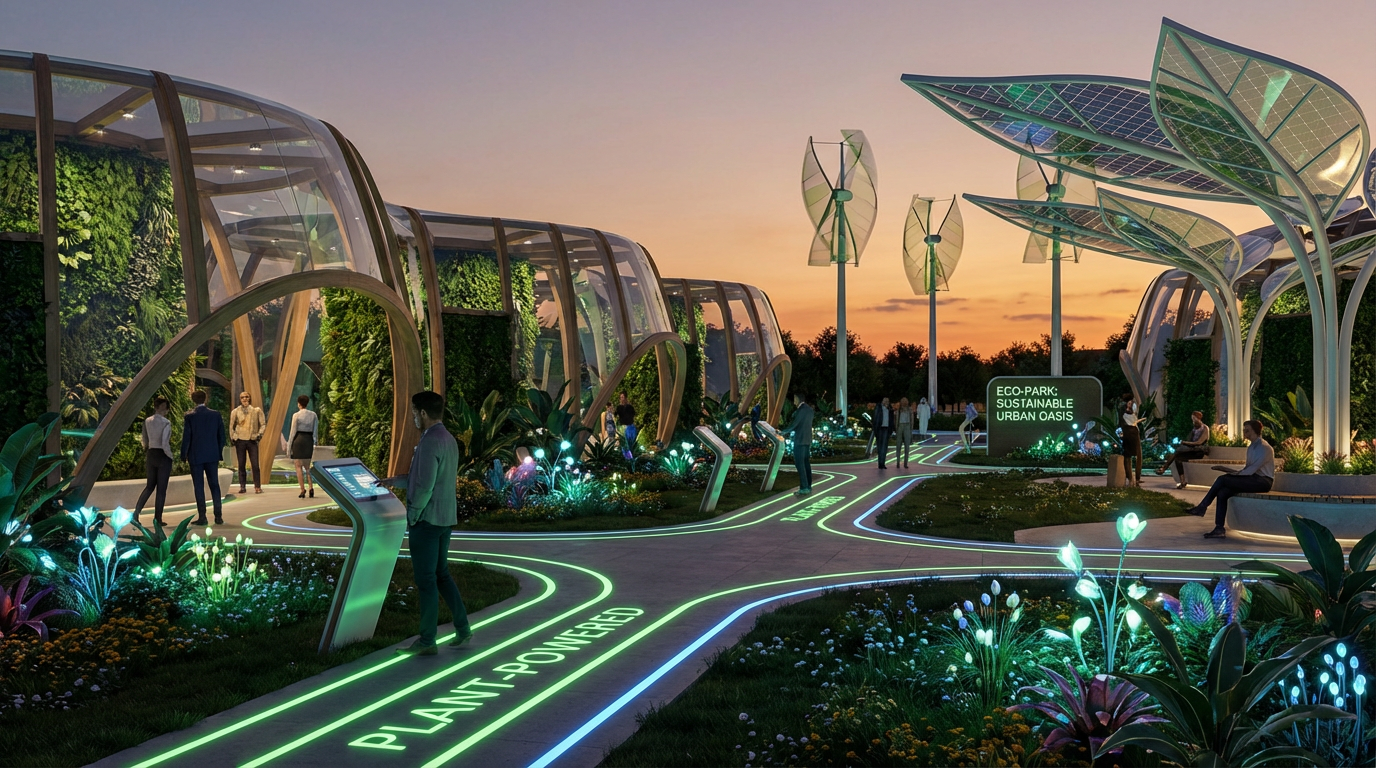
This integration is particularly powerful in the context of public lighting. Imagine streetlights powered not by the central grid, but by the trees and shrubs planted at their base. This localized, green power source can significantly reduce the load on the main grid, especially during peak hours, and provide a critical layer of resilience during power outages.
IV. The Economics and Sustainability of Embedded Power
The long-term viability of any public infrastructure technology rests on its economic profile and its alignment with global sustainability goals. Pisphere excels on both fronts, offering a compelling case for municipal adoption that goes beyond mere novelty.
The most striking economic advantage is the ultra-low maintenance cost. Traditional energy infrastructure, particularly solar and wind, requires periodic cleaning, component replacement, and complex maintenance protocols, often costing $20-60 USD per 10m annually. Pisphere, being a buried, biological system, has an estimated annual maintenance cost of only **$10-15 USD per 10m**. This low operational expenditure is a game-changer for cash-strapped municipal budgets, ensuring that the technology remains economically viable over decades. The system_s longevity is tied to the health of the plant life, which is already a planned and maintained component of urban landscaping.
Furthermore, the production metric**250-280 kWh per 10m annually**_is perfectly scaled for decentralized public infrastructure. While this output is not intended to power skyscrapers, it is more than sufficient to power the low-voltage, continuous-operation devices that define the smart city: environmental sensors, LED signage, low-power communication relays, and localized monitoring systems. The economic model shifts from purchasing bulk power to generating targeted, localized power, eliminating transmission losses and infrastructure costs associated with extending the central grid.
The sustainability argument is equally powerful, aligning perfectly with global ESG (Environmental, Social, and Governance) mandates and municipal climate action plans. Pisphere is inherently a carbon neutral technology. The energy it generates is derived from the plant’s recent carbon sequestration, creating a closed-loop system. There is no combustion, no material waste, and no need for environmentally taxing battery disposal. This makes it an ideal technology for cities committed to ambitious targets like “Carbon Neutral 2035.”
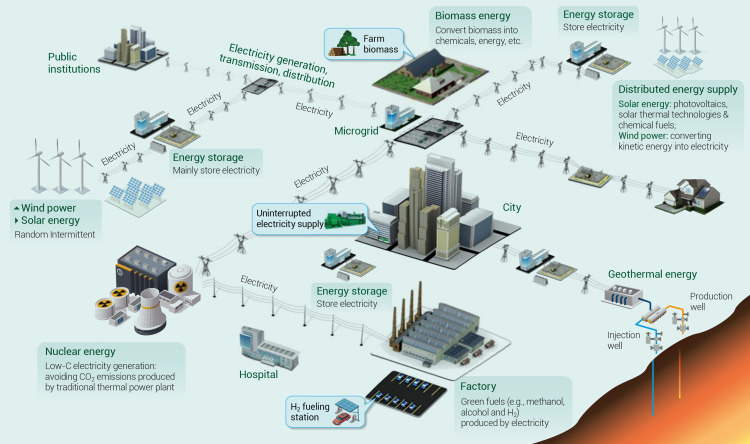
The following table, often used in preliminary municipal feasibility studies, highlights the stark contrast in long-term cost and environmental impact, making the case for Pisphere’s economic superiority in the low-power, decentralized urban context.

The integration of Pisphere allows cities to leverage their existing green assets to meet their energy needs, transforming a liability (maintenance of green space) into a productive asset (energy generation). This dual benefit_economic savings combined with verifiable carbon neutrality_positions Pisphere as a leading technology for government (B2G) and construction (B2B) sectors focused on sustainable development. The technology is a tangible demonstration of a city’s commitment to a greener future, as visualized in the concept of sustainable technology integration.
V. The Future Urban Landscape: A Pisphere-Powered Metropolis
The adoption of Pisphere technology marks a fundamental shift in the philosophy of urban energy. It moves us away from the industrial-age model of centralized power generation and distribution toward a living, distributed, and symbiotic energy ecosystem. The future metropolis, powered by Pisphere, will be a city where every patch of green space, from the smallest planter box to the largest municipal park, contributes to the overall energy resilience and intelligence of the urban fabric.
This bio-hybrid energy approach is the key to unlocking the true potential of the Smart City. A city where data collection is never interrupted by power failures, where public services are powered by the very nature they seek to protect, and where the cost of maintaining the energy infrastructure is dramatically reduced. The vision is one of bio-integration, where technology and nature are no longer separate entities but are fused into a single, self-sustaining system.
The sheer scalability of Pisphere, which can be deployed in any environment where plants can grow_be it a vertical farm, a rooftop garden, or a roadside planter_means that energy generation can be brought directly to the point of consumption. This localized power generation minimizes transmission losses, enhances grid security, and provides a crucial layer of energy independence for critical public services.
For urban planners and government bodies, the message is clear: the time for pilot projects is over. Pisphere is a mature technology, founded on rigorous research by Seoul National University researchers, that offers a verifiable path to achieving ambitious climate goals while simultaneously improving the efficiency and resilience of public infrastructure. It is an investment in a future where the city is not just smart, but alive. The technology embodies the ultimate convergence of biology, engineering, and urban design, promising a greener, more resilient, and more intelligent future for all.
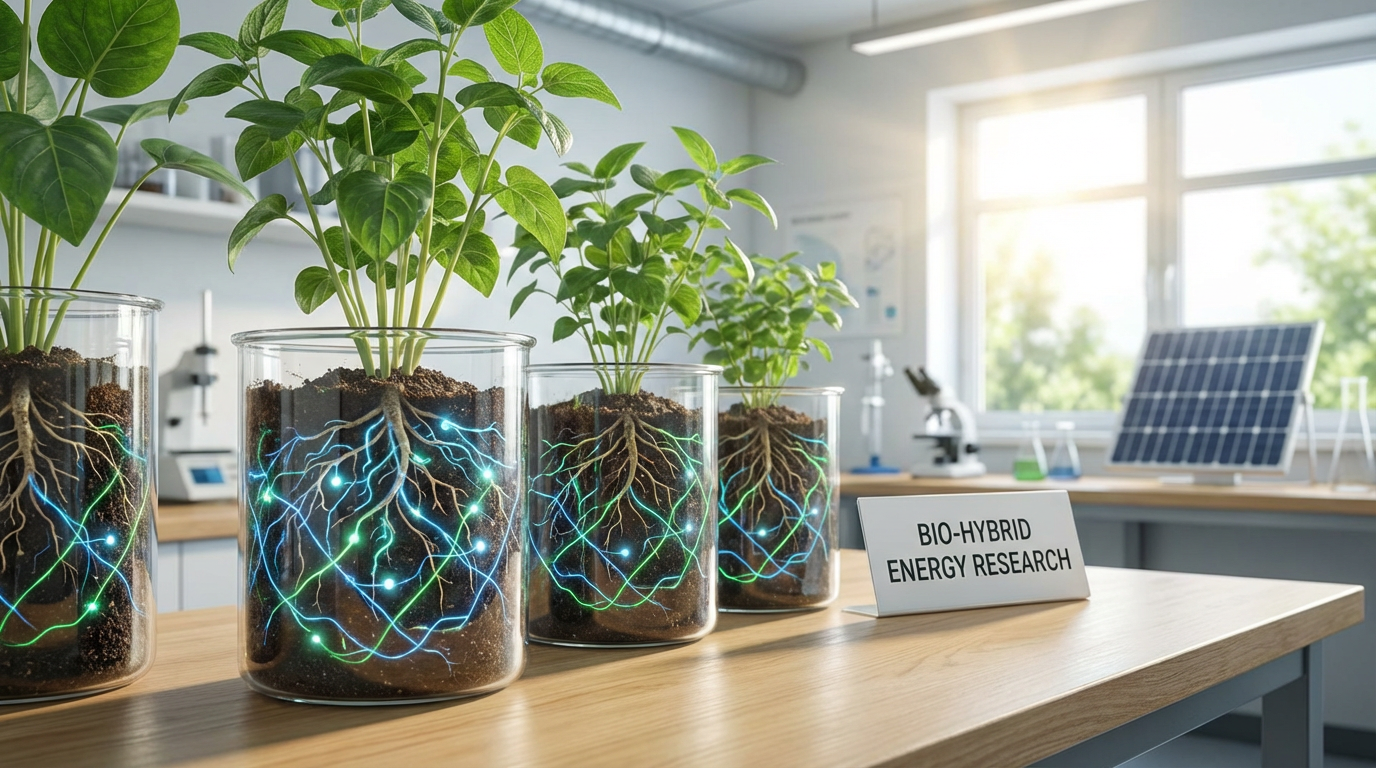
The final image encapsulates this vision: a seamless integration of bio-hybrid energy systems into the built environment, where the power of nature is harnessed to drive the technology of tomorrow.
The journey to a truly sustainable and intelligent city requires bold, unconventional solutions. Pisphere is that solution, transforming the passive green spaces of our cities into active, silent, and powerful contributors to the public infrastructure grid. It is the quiet revolution powering the smart city of tomorrow.